Driving in Dubai can be an exciting experience, with its modern highways and well-maintained roads. However, understanding and following speed limits is crucial for your safety and to avoid hefty fines. This comprehensive guide will help you navigate Dubai's speed regulations with confidence.
Driving in Dubai is a modern, smooth, and well-organized experience. However, to enjoy the roads safely and avoid fines, it is very important to understand Dubai Speed Limits. The city has strict traffic laws, advanced speed cameras, and clear road signs to ensure safety for everyone.
This detailed guide explains speed limits in Dubai, road types, fines, safety tips, and how rules are enforced. The language is simple and practical, making it useful for residents, tourists, and professional drivers alike.
Understanding Speed Limits in Dubai
Dubai has clear speed rules to keep everyone safe on the road. The speed limit in Dubai changes depending on the road type and location. Whether you are a resident or a visitor, knowing these limits helps you become a safe driver Dubai roads rely on.
The Roads and Transport Authority (RTA) sets speed limits based on road size, traffic flow, and safety needs. These rules are strictly enforced using modern speed cameras and regular police patrols across the city. Following the speed limits helps reduce accidents and ensures smoother traffic for everyone.
Why Speed Limits Matter
Speed limits exist to protect lives and prevent accidents. Excessive speeding is one of the leading causes of traffic accidents in the UAE. By adhering to posted speed limits, drivers contribute to smoother traffic flow and reduce the risk of collisions.
Additionally, respecting speed regulations helps you avoid expensive fines and black points on your driving record. The UAE has zero tolerance for reckless driving, making it important to stay informed about current regulations.
Dubai Road Speed Limits: Breaking Down the Numbers
Understanding the different speed zones in Dubai will help you drive confidently across various road types.
Highway Speed Limits
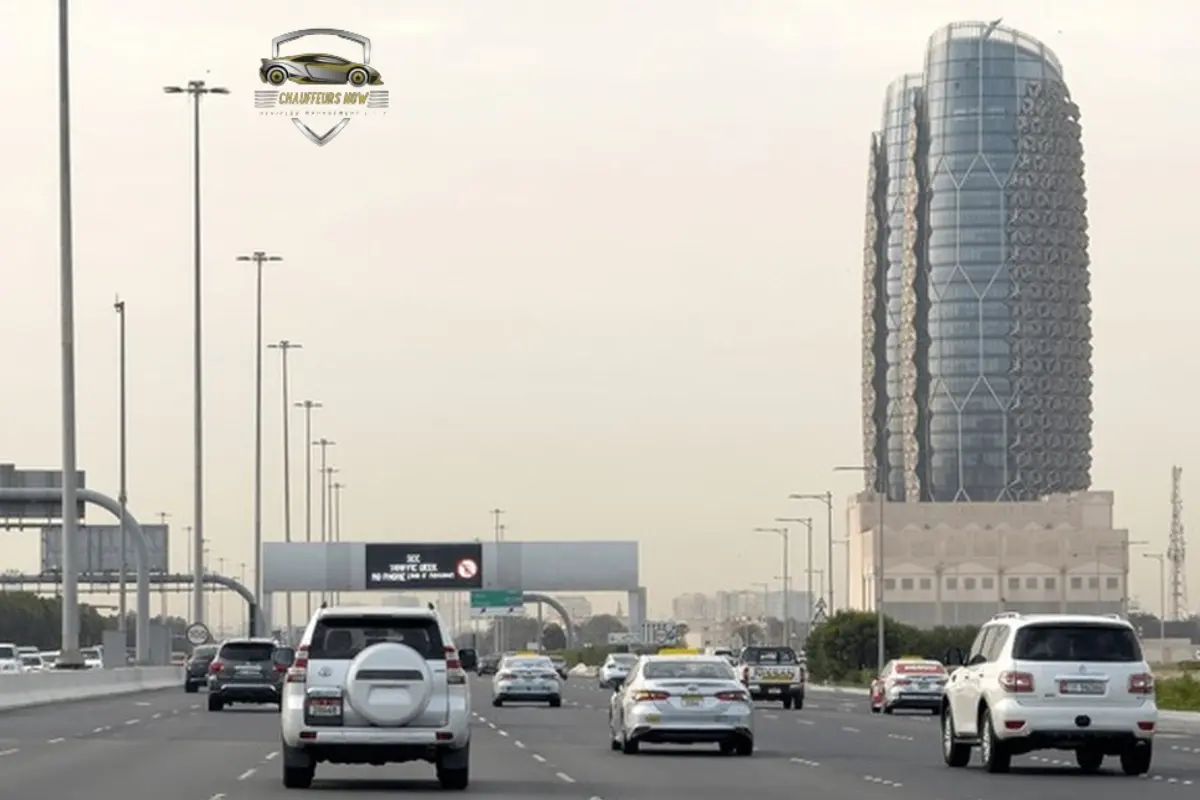
The main highways in Dubai generally have higher speed limits due to their design and capacity:
-
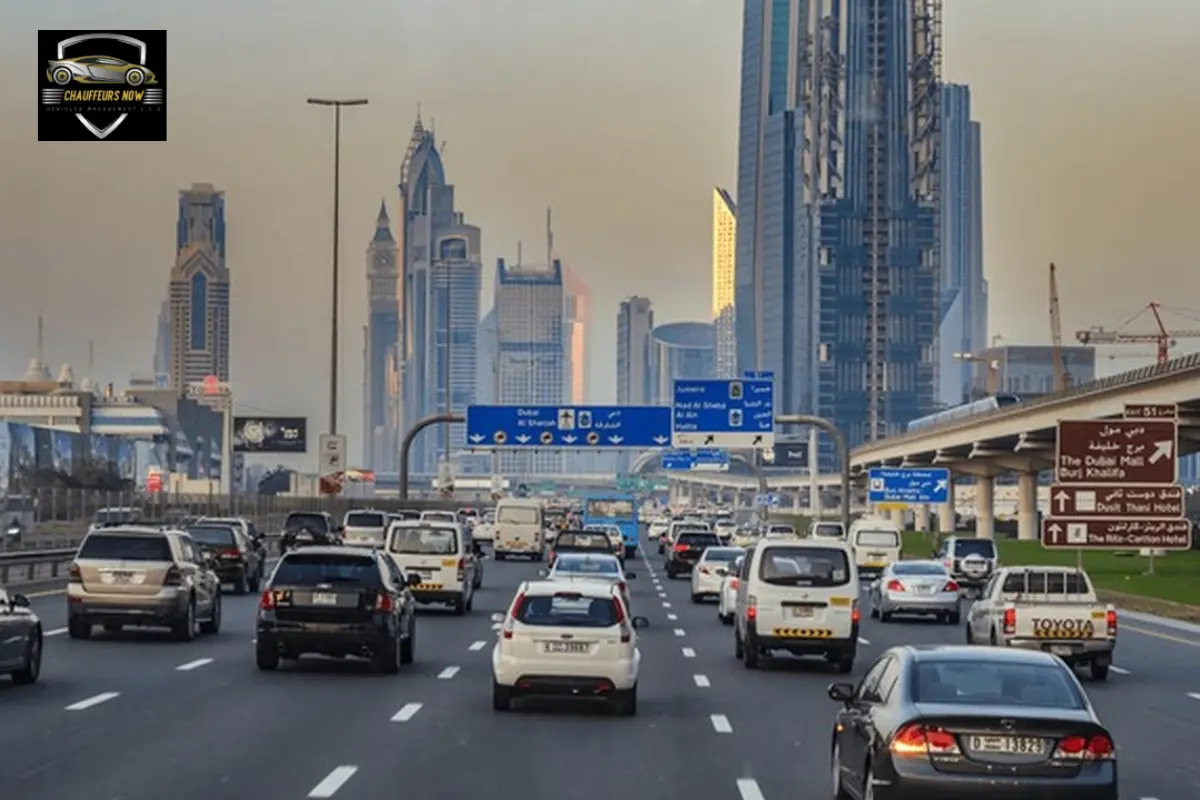
Sheikh Zayed Road: 100-120 km/h depending on the section
-
Emirates Road: 120 km/h on most sections
-
Dubai-Al Ain Road: 120-140 km/h in certain areas
Some sections of major highways may have reduced limits near construction zones or populated areas, so always watch for posted signs.
Urban Area Speed Limits
When driving through residential neighborhoods and city streets, lower limits apply:
-
Main city roads: 60-80 km/h
-
Residential areas: 40-60 km/h
-
School zones: 40 km/h (strictly enforced during school hours)
These reduced speeds help protect pedestrians, cyclists, and children in areas with higher foot traffic.
Special Zone Speed Limits
Certain areas have specific speed restrictions:
-
Industrial zones: 60-80 km/h
-
Near hospitals: 40-60 km/h
-
Construction areas: Variable, follow posted signs
Always pay attention to temporary speed limit signs in construction zones, as these change frequently based on work progress.
UAE Speed Limits: Regional Variations
While this guide focuses on Dubai, it's helpful to know that UAE speed limits can vary between emirates. Abu Dhabi, Sharjah, and other northern emirates have their own specific regulations.
The 20 km/h Buffer Rule
One unique aspect of Dubai traffic speed rules is the tolerance buffer. Many radars in Dubai allow a 20 km/h buffer above the posted limit before issuing a fine. For example, on a 100 km/h road, you might not receive a fine until reaching 121 km/h.
However, this buffer is not officially guaranteed and can vary by location. Some radars, particularly in sensitive areas like school zones, have zero tolerance. Never rely on this buffer as permission to speed.
Dubai Traffic Regulations: More than Speed Limit.
Being a safe driver in Dubai is much more than being able to obey the speed limit. The knowledge of the full Dubai traffic rules guarantees full safety on the road.
Key Traffic Laws.
Lane Discipline: Do not leave the right lanes unless when passing by. The faster moving highway traffic is allocated to the left lane.
Mobile Phone Usage: It is forbidden to use a handheld device during a drive and it is subject to a hefty penalty.
Seat Belts: Wearing of seat belts is required by all passengers and the children below the age of four should be fitted with the approved car seat.
Tailgating: It is a requirement that one keeps a safe following distance. Tailgating may lead to big fines and black points.
Radar Systems in Dubai
Dubai has advanced radar systems to check traffic:
Fixed radars: This type is placed on the highways and roads that are large and permanent.
Mobile radars: These are hand-held gadgets that are operated by the traffic police.
Average speed cameras: Determine your average speed along the road between two points.
Other radars have a superior AI technology of identifying several infractions at a time, such as speeding, lane tenacity, and wearing seat belts.
Punishments of Violation of Speed limits.The knowledge about the fines of over speeding in Dubai would help to stress out on the importance of adhering to the speed limits.
Fine Structure
The fines of speeding in Dubai are divided according to the extent of over speeding:
-
Exceeding by up to 20 km/h: AED 300
-
Exceeding by 21-30 km/h: AED 600
-
Exceeding by 31-40 km/h: AED 700
-
Exceeding by 41-50 km/h: AED 1,000
-
Any excess of 51-60 km/h: AED 1,500 plus the seizure of the vehicle.
-
Violation of over 60 km/h: AED 3,000, seizure of vehicle, and suspension of the license.
Black Points System
Traffic offenses also impose black points on your license besides financial penalties. The 24 black points earned in one year lead to the suspension of the license. The violation of speeding may include 2-12 black points depending on the severity.Guidelines on how to maintain safe speeds.It is about becoming a safe driver Dubai and good habits and awareness.
Practical Driving Tips
Turn on Cruise Control: Cruise control enables the driver to drive at a steady speed and avoids accelerating unexpectedly, which is common in highways.
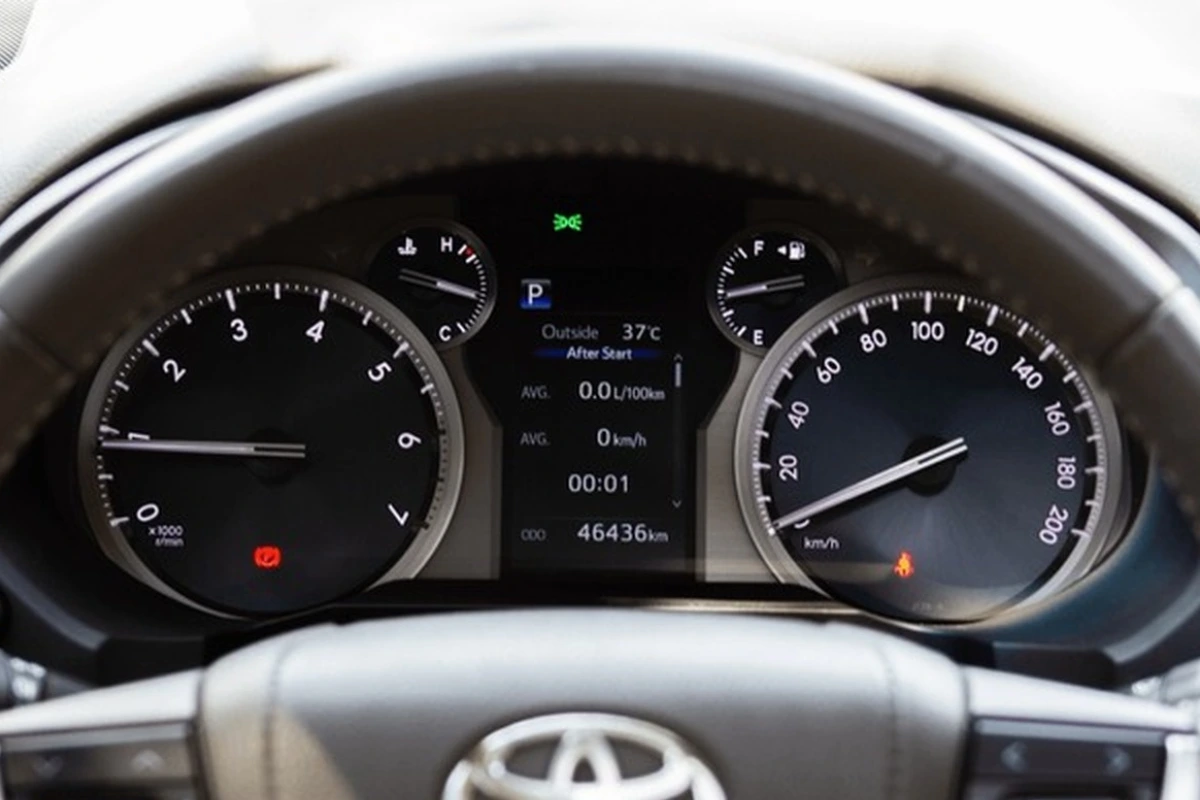
Be aware of Your Speedometer: You should look at your speed often, particularly in the areas where you are passing through various speed limits.
Plan Your Journey: Have more time to your trip that you will not be in a rush to get to the destination.
Awareness of Conditions: Slow down when it is raining, misting or on a heavy traffic, even when you have a lower speed limit.
Technology Assistance
Current cars and smartphones have useful services: GPS navigation applications: A large number of them offer speed limit data in real time and warnings.
Speed warning systems: There are cars with inbuilt notifications when speeding.
Dash cameras: Assist in recording your driving and may serve as a testimony in case of necessity.
Understanding Road Signs and Markings
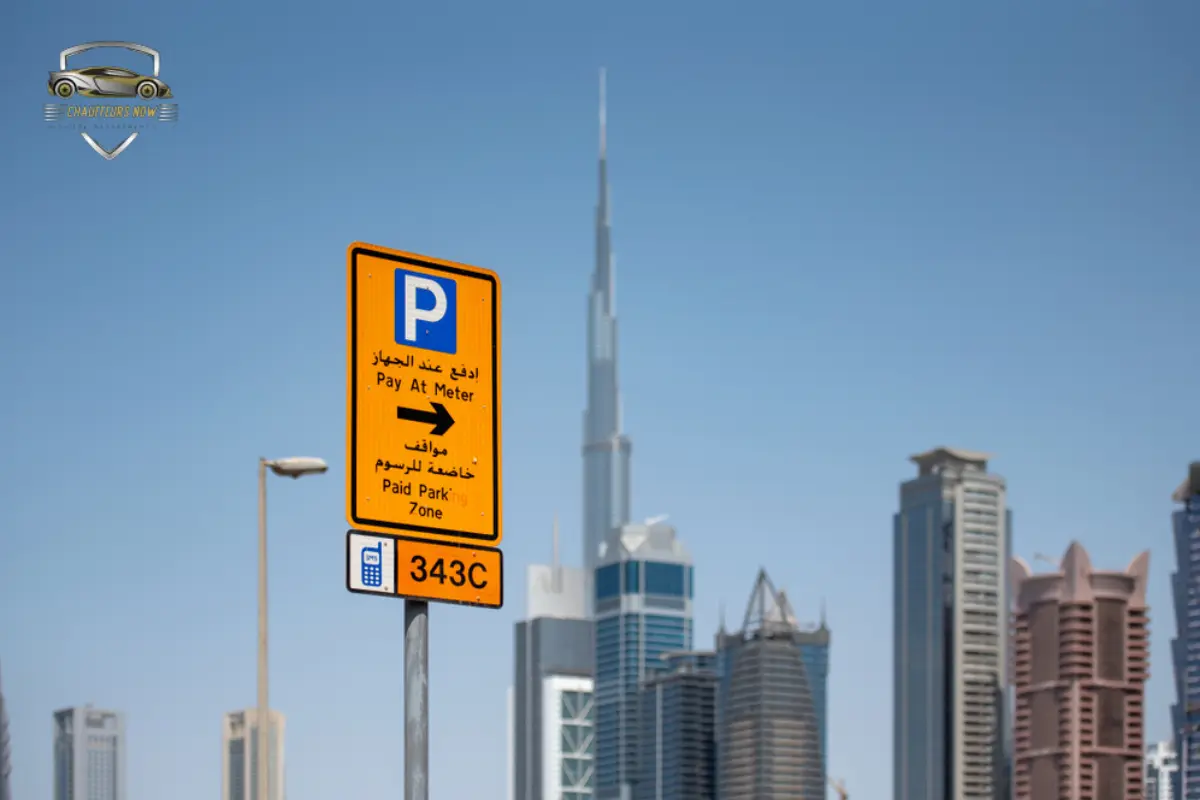
Dubai uses international road sign standards, making them easy to understand for most drivers. Speed limit signs are circular with red borders and black numbers on white backgrounds.
Variable Speed Limits
Some highways feature electronic signs that display variable speed limits based on traffic conditions, weather, or accidents ahead. These limits are legally binding and override standard posted limits.
FAQs About Dubai Speed Limits
1: What are the standard speed limits in Dubai?
Highways allow 100–120 km/h, city roads 60–80 km/h, and residential areas 30–40 km/h.
2: Does Dubai allow a speed buffer?
Some roads allow a buffer, but many do not. Always follow posted signs.
3: Are speed cameras active all the time?
Yes, Dubai’s cameras operate 24/7, including weekends and holidays.
4: Do UAE speed limits differ from Dubai?
UAE speed limits are similar, but Dubai has stricter enforcement and more cameras.
5: How can I avoid speeding fines in Dubai?
Follow signs, use cruise control, stay alert, and practice safe driving habits.
Conclusion
Understanding Dubai speed limits and following Dubai traffic rules is essential for safe and legal driving in the emirate. By respecting the maximum speed limit Dubai sets for different road types and staying informed about current regulations, you protect yourself, your passengers, and other road users while avoiding costly fines and penalties. Remember that being a responsible driver means adapting your speed to conditions, staying alert, and always prioritizing safety over speed.